
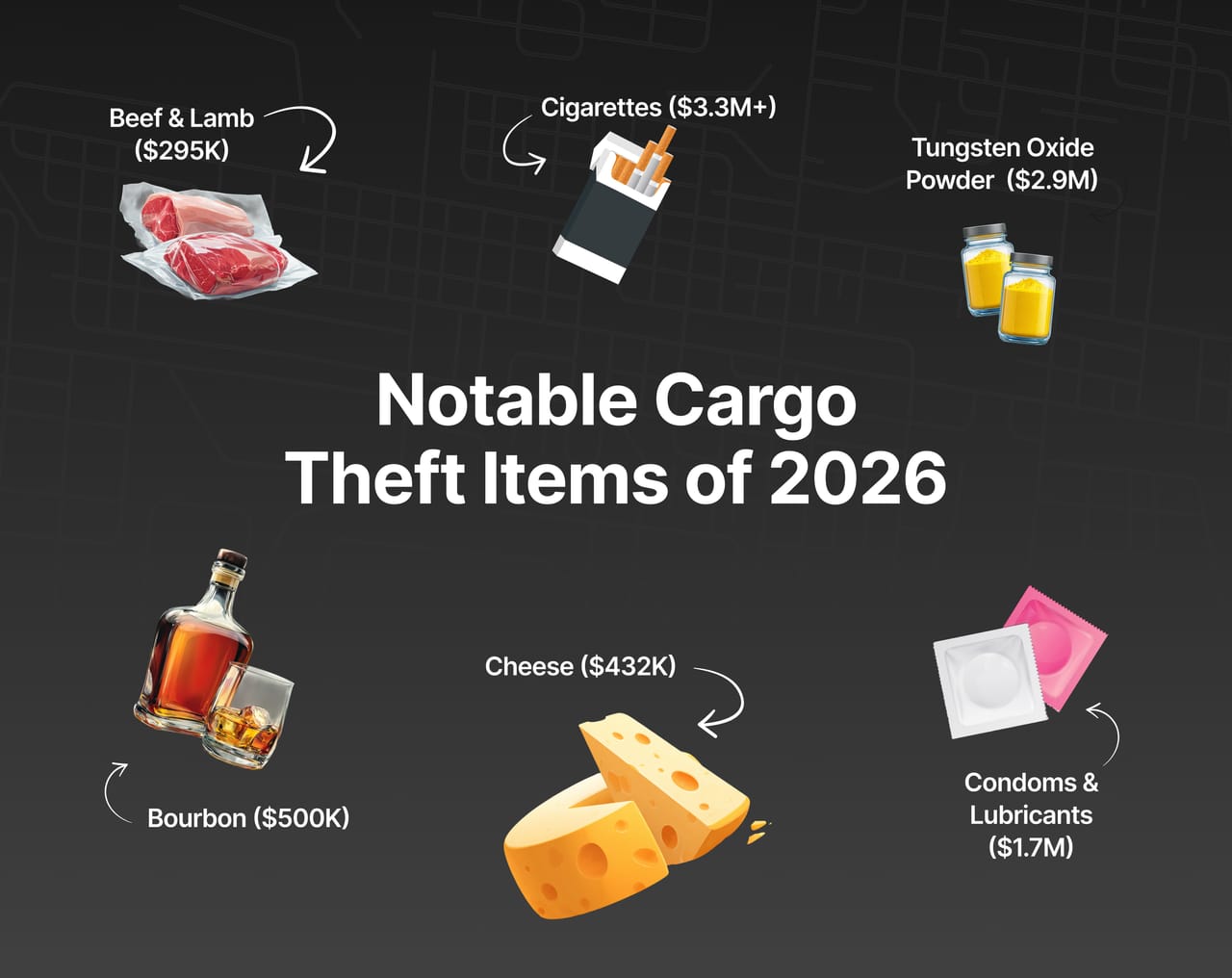
Cargo theft is no longer limited to stolen trailers or unattended freight. Criminal groups are using phishing, identity theft, fake carrier profiles, compromised accounts, and fraudulent pickup instructions to make stolen loads appear legitimate while they're stealing them.

Reported cargo theft losses reached nearly $725 million in 2025, a 60% increase from the previous year. The average reported theft rose 36% to approximately $274,000.
The threat has continued into 2026. Overhaul recorded 574 cargo theft incidents in the United States during the first quarter alone. CargoNet expects criminals to keep exploiting legitimate carrier identities while searching for weaknesses throughout the shipment lifecycle.
What Is Changing?
Bad actors are moving beyond basic document fraud. They are gaining access to email accounts and logistics systems, impersonating legitimate companies, changing shipment instructions, and directing drivers to unauthorized locations. The FBI now describes this growing threat as cyber-enabled strategic cargo theft.
How Brokers Can Reduce Their Risk
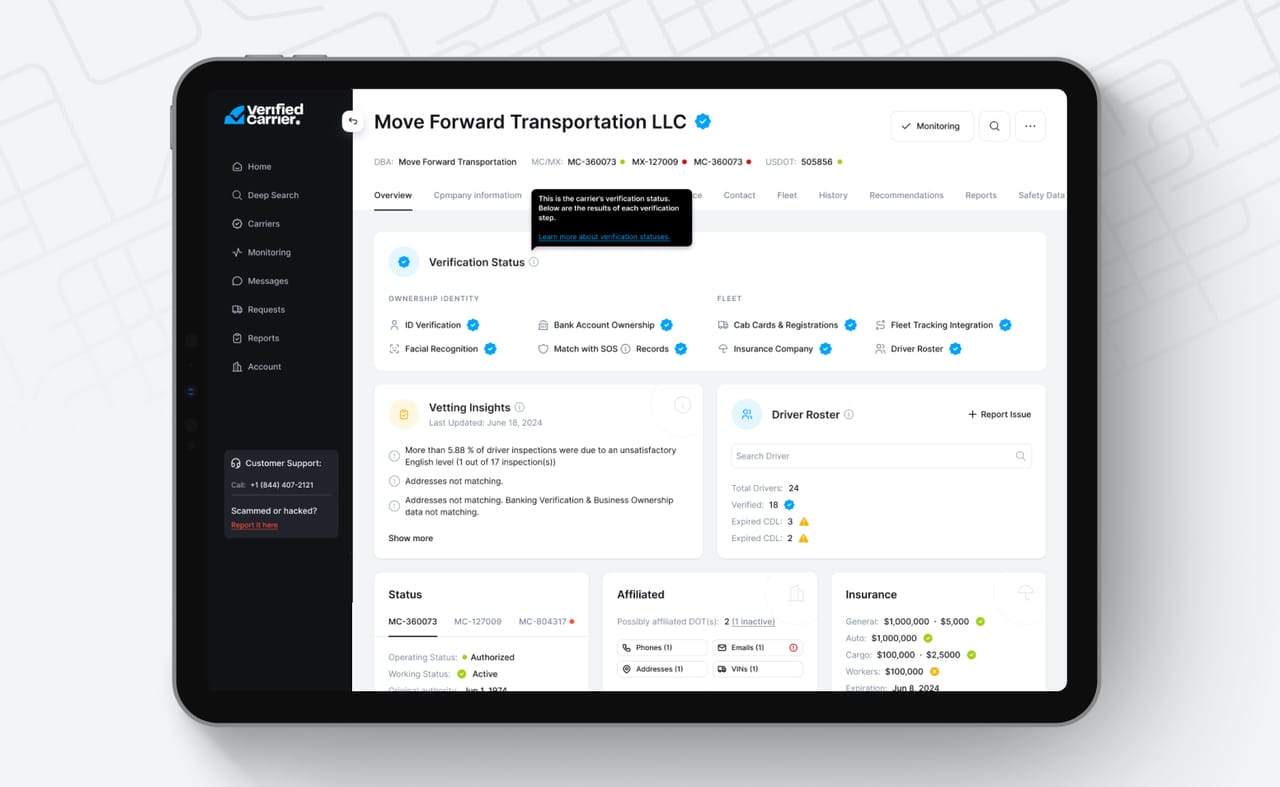
- Verify carrier ownership, identity, insurance, contact information, and operating history.
- Monitor carriers for changes after the initial verification.
- Confirm unusual requests through trusted contact information.
- Train employees to recognize phishing, altered documents, new email domains, and last-minute pickup changes.
Protection Across the Shipment Lifecycle
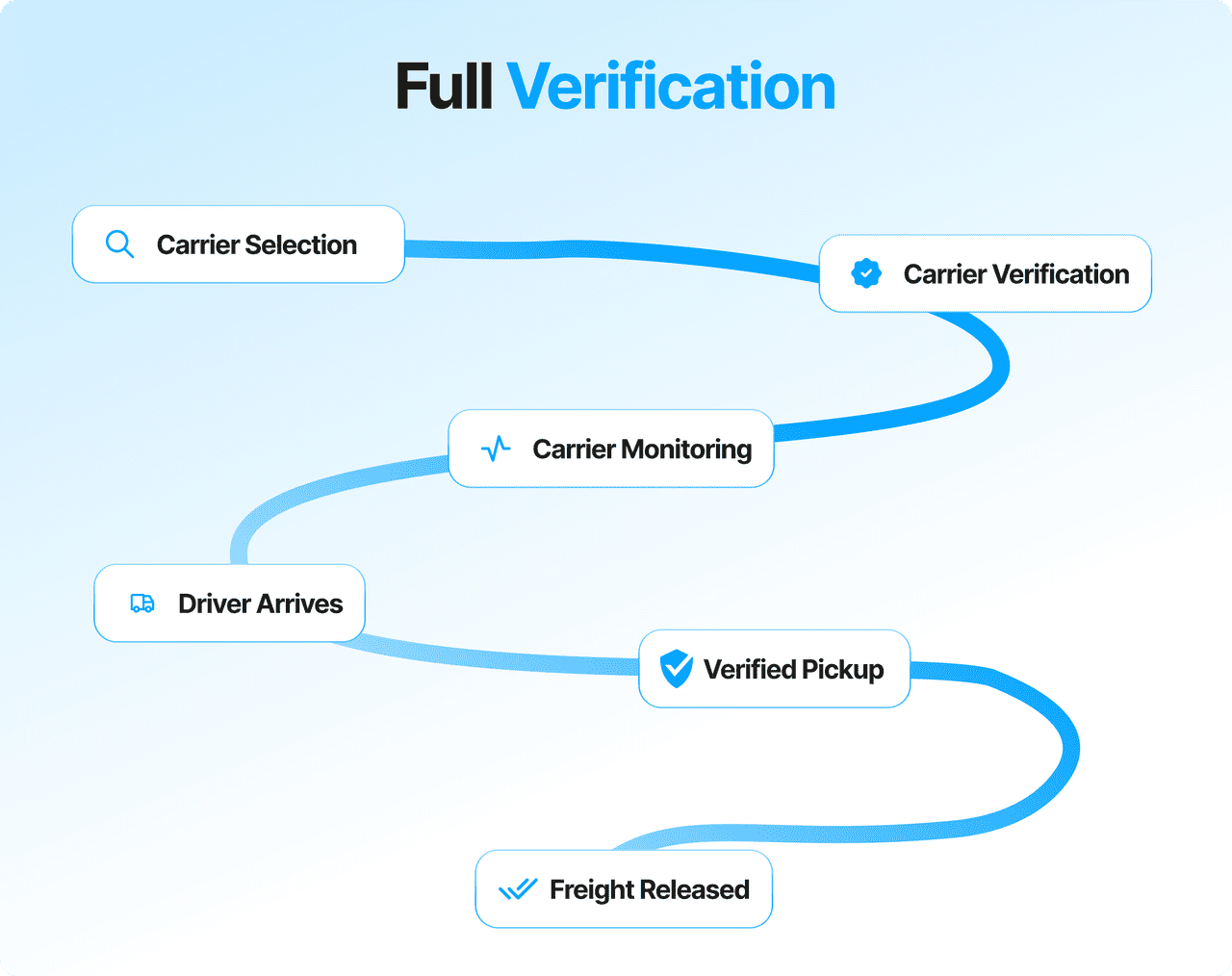
Individual checks help, but criminals often target the gaps between them. Verified Carrier brings carrier verification, continuous carrier monitoring, and pickup verification into one connected process.
Carrier Verification identifies risks before a load is assigned. Carrier Monitoring alerts your team when important carrier information changes. Verified Pickup confirms the carrier, driver, and equipment at the point of release.
Fraud continues to change. Your protection must cover more than one moment in the shipment.
Ready to Strengthen Your Fraud Prevention?
Freight fraud continues to evolve, but your verification process should evolve with it. Protect your business before a shipment is assigned, while a carrier is active, and at the point of pickup.


